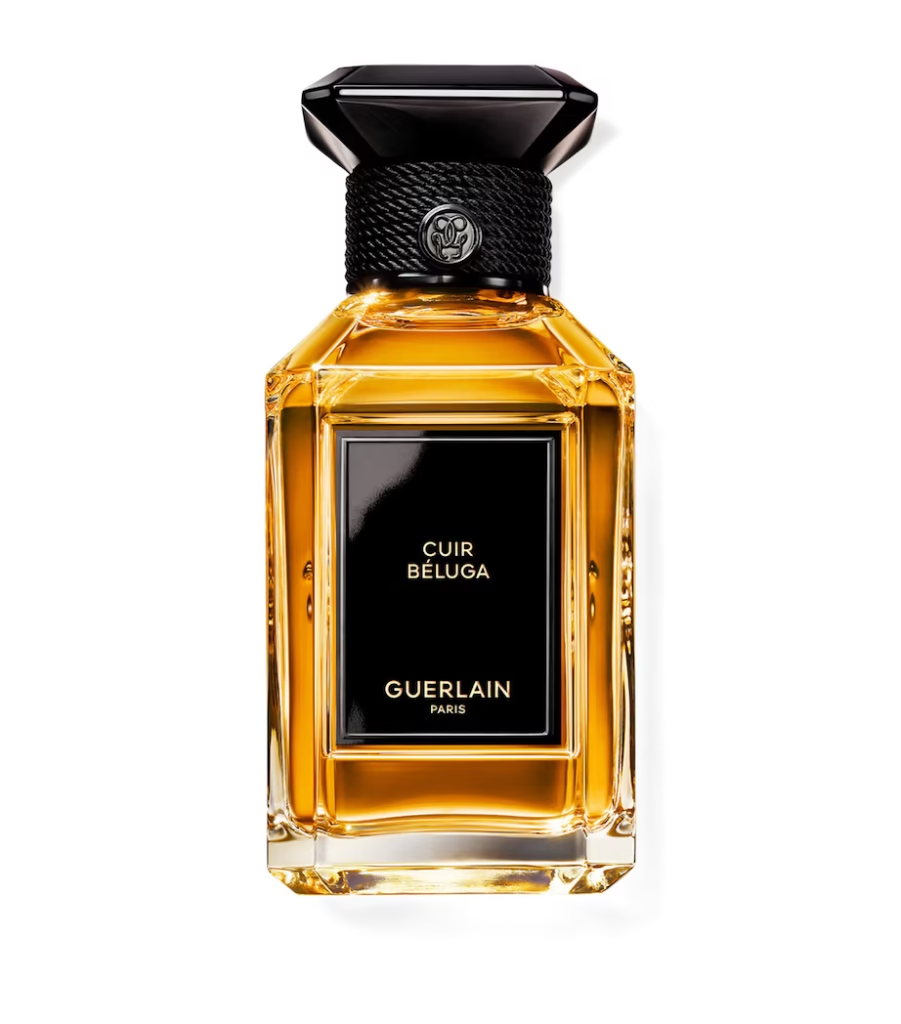
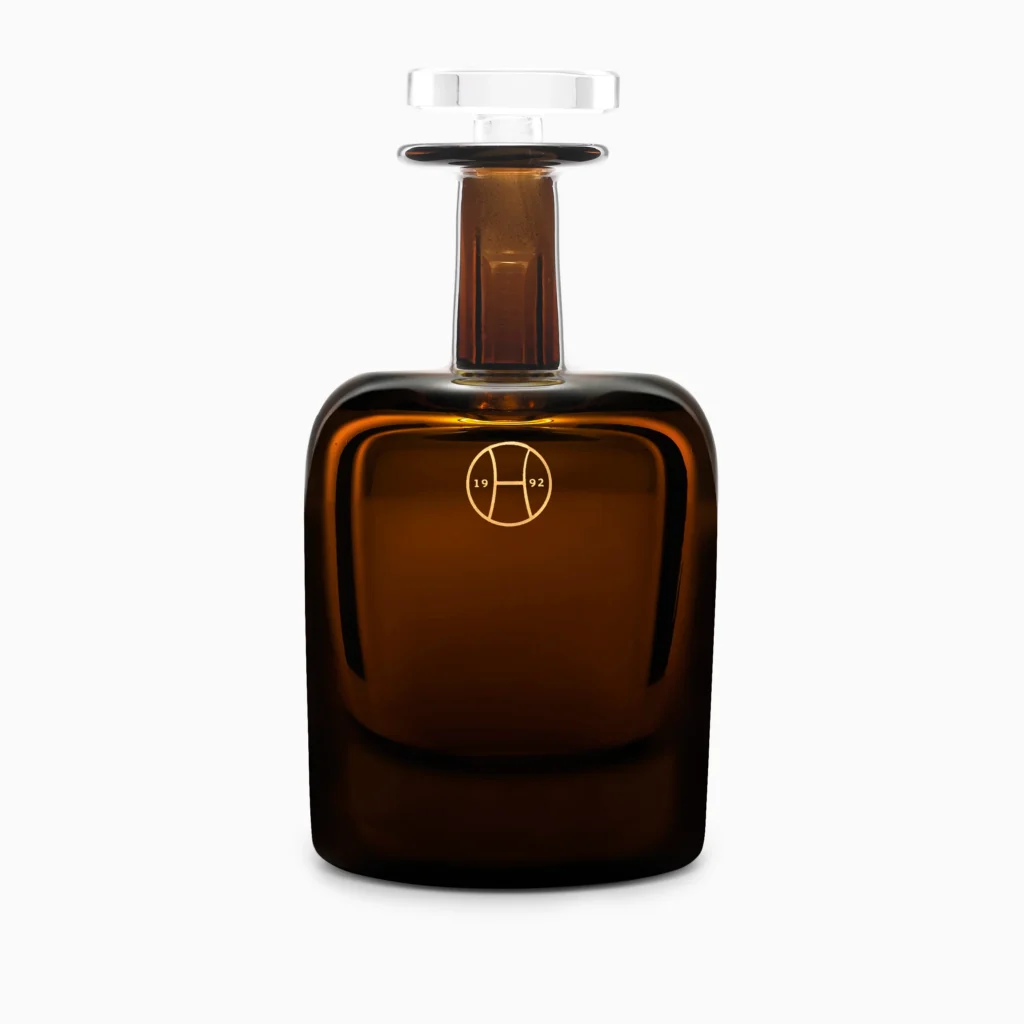
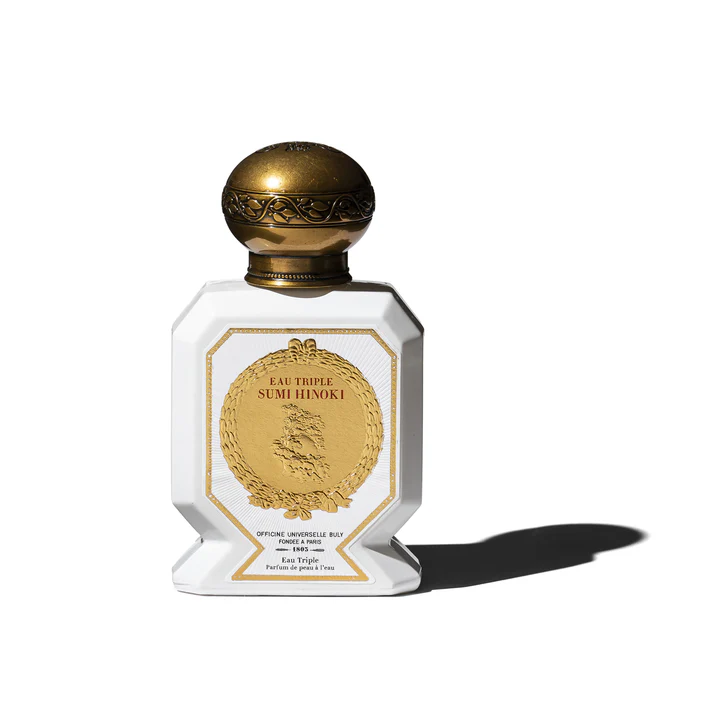
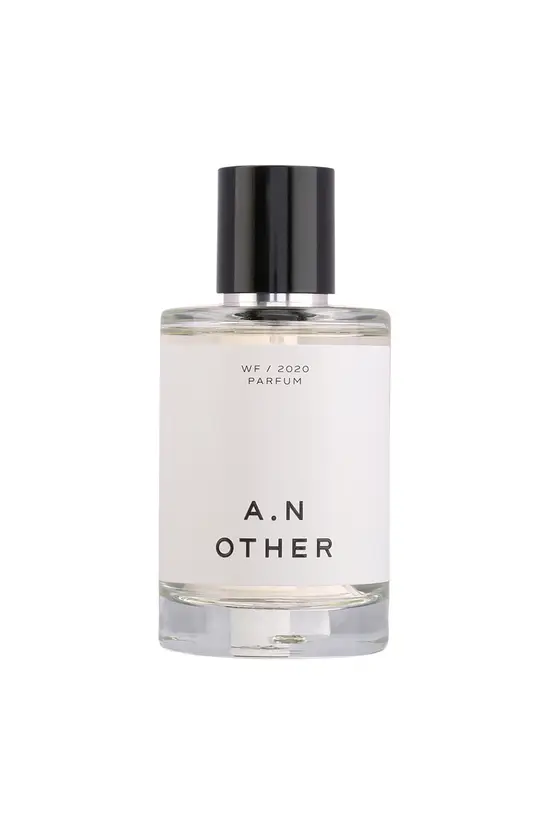
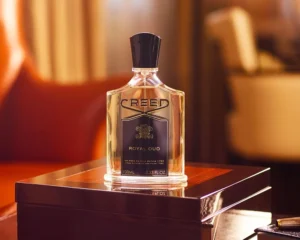
Where Personal Chemistry Meets Modern Masculinity.
In a world where AI curates your wardrobe and algorithms optimize your skincare, fragrance remains stubbornly, beautifully human. It’s the one grooming ritual that refuses to be automated a visceral declaration of mood, identity, and aspiration that no algorithm can replicate. And in 2026, the fragrance landscape is undergoing a seismic shift away from the overproduced, the obvious, and the aggressively marketed.
The old playbook is obsolete. Gentlemen are no longer chasing celebrity fragrances or chrome-bottled mainstream heavyweights. Instead, we’re seeing bold experimentation, unexpected molecular combinations, and a decisive move toward authenticity. From whisper-close skin scents to primal, dirt-drenched woods, here’s what’s actually defining how modern men smell and what it says about us.
the Rise of skin scents-intimate. almost invisible.
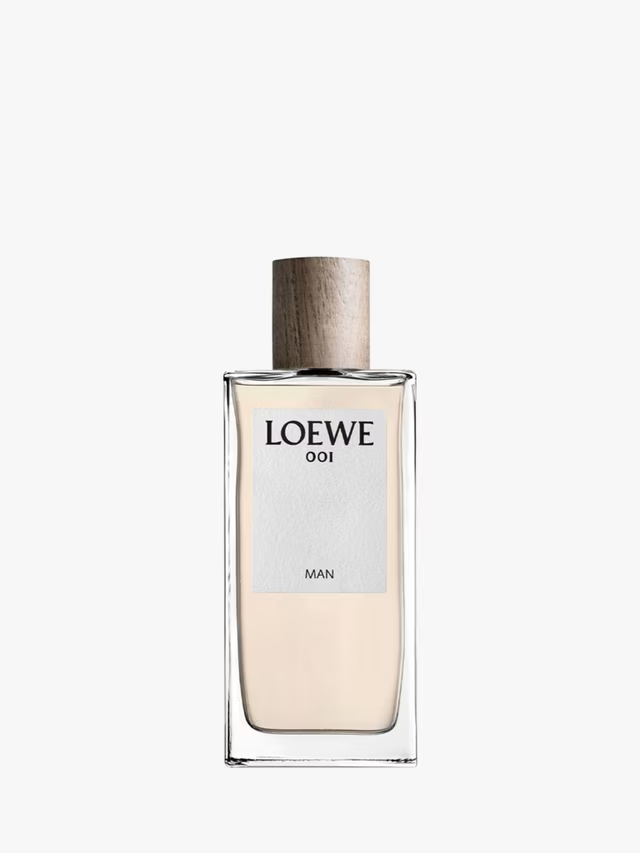
This is the year fragrance learned to disappear. Skin scents—molecular fragrances built around molecules like Iso E Super, Ambroxan, and translucent musks—don’t announce themselves. They hover inches from the body, creating a warm, personal envelope of scent that only reveals itself when someone leans in.
These are perfect for the boardroom, the bedroom, or anyone exhausted by synthetic sweetness and aggressive sillage. Look for bottles marked “molecular,” “second skin,” or “transparent woods.” This is the olfactory equivalent of a perfectly fitted white T-shirt—effortless, elegant, undeniably cool.
The “For Him / For Her” label is dead. In 2026, the most compelling fragrances simply don’t fit into gendered boxes. Perfumers are crafting unisex blends that prioritize story and genuine emotion over tired masculine clichés and outdated archetypes.
Expect androgynous florals, smoky citrus accords, spicy ambers, and creamy woods—formulas designed for humans, not binaries. This shift reflects a broader cultural movement toward inclusivity and authentic self-expression. Skip fragrances built on overt masculine tropes; instead, seek niche houses where the scent speaks louder than the marketing.
Smoky, Earthy, Almost Dirty
Overly sanitized fragrance is over. In 2026, the edge belongs to raw, primal smells: damp soil after rain, campfire smoke, burnt wood, even subtle hints of sweat and skin. This is an unapologetic rejection of the polished, the sterile, the mass-produced.
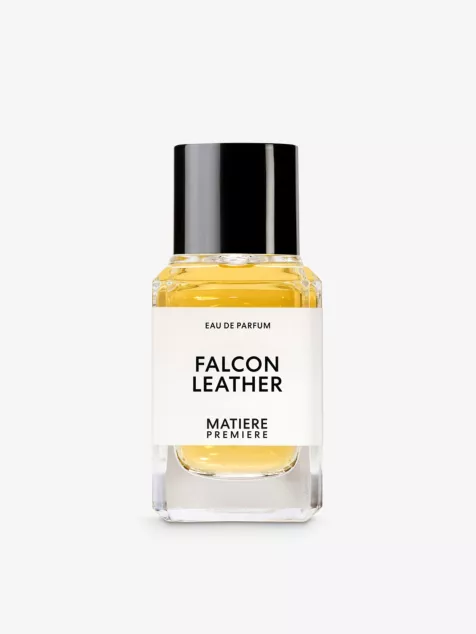
These formulas lean on vetiver, leather, patchouli, oakmoss, and experimental notes like mushroom or ink. They’re rugged, sensual, and built for men who aren’t afraid to be a little dirty. Hunt for EDPs labeled “resinous,” “earthy,” or “woody”—the best examples come from artisanal niche brands with real storytelling behind them.
Futuristic Florals
Florals for men? Not anymore—florals by men, worn proudly. In 2026, floral fragrances are being completely re-engineered with metallics, musks, and structural woods to create something architectural, powerful, and undeniably bold.
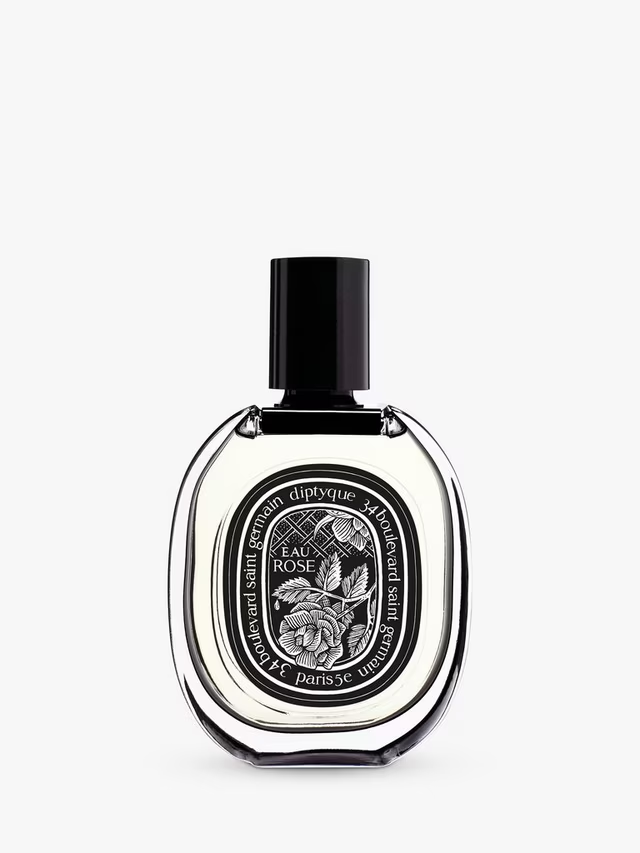
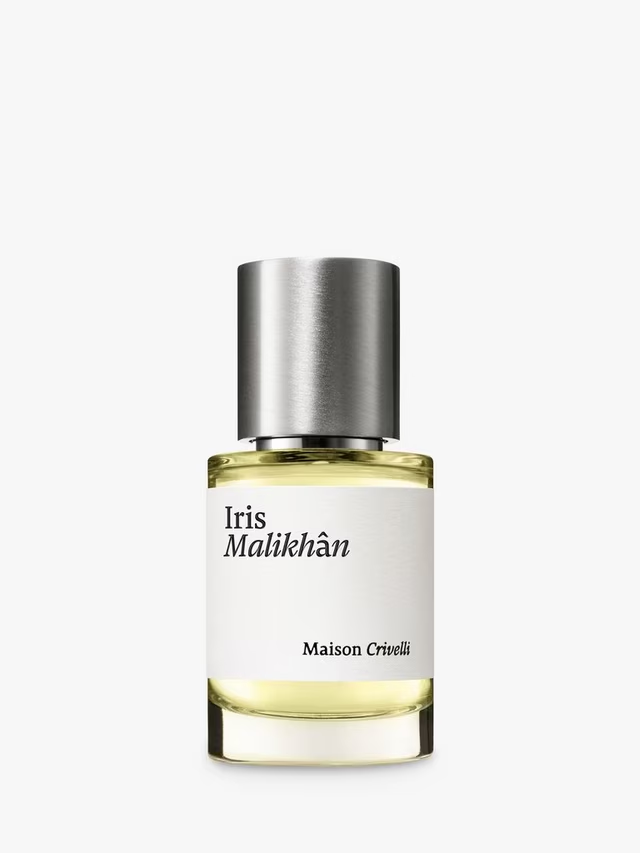
Think violet leaf with cold steel, neroli paired with suede, rose infused with incense. These aren’t cloying, powdery, or feminine—they’re structured, intense, and unapologetically modern. Forget old floral phobias. Try iris, orange blossom, or violet leaf as your entry point; pair them with leather or spice, and you’ve found the future of masculine fragrance.
Heritage Fragrance Is Back (But Twisted)
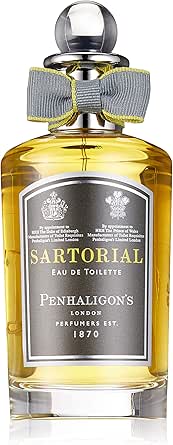
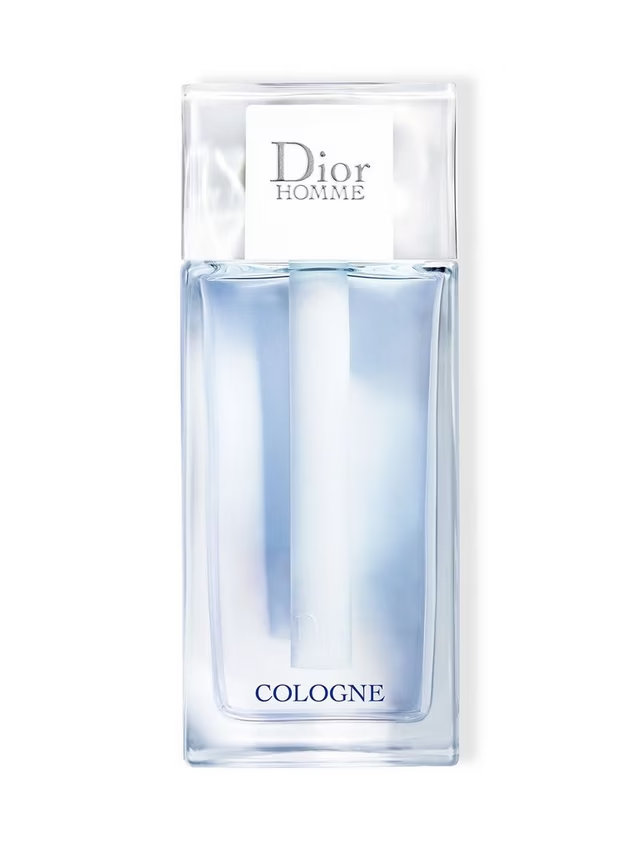
Barbershop fougères, soapy colognes, and retro power scents are back—but they’ve been stripped down, tightened up, and built from better raw materials. This is a renaissance in classical perfumery, only leaner, meaner, and far more refined than the originals.
You get the gravitas and nostalgic warmth without the heavy-handed brutishness. These are for men who want a scent with real pedigree—the kind that hints at tradition without feeling like a museum piece. Search for remastered classics or new releases inspired by 1960s–80s compositions. Fougère, aromatic, and cologne structures are your benchmarks.
Fragrance As Therapy
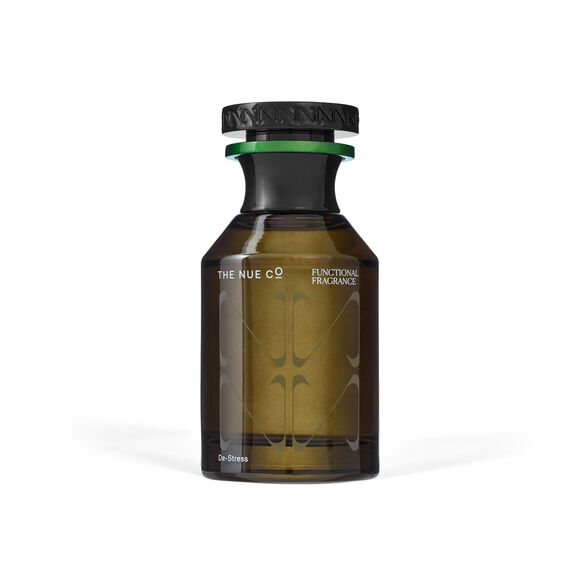
Fragrance is no longer just about smelling good—it’s about feeling good. Men are increasingly turning to scents designed to calm, energize, or ground them, collapsing the boundary between perfume and wellness ritual. This is aromatherapy wearing designer clothes.
These therapeutically-minded fragrances lean heavily on botanicals and essential oils with proven mood benefits: lavender for stress relief, citrus for focus, eucalyptus for clarity. Seek out wellness-driven brands and clean-beauty leaning labels that prioritize emotional benefit alongside olfactory pleasure. Your morning ritual just became self-care.
Gourmand 2.0
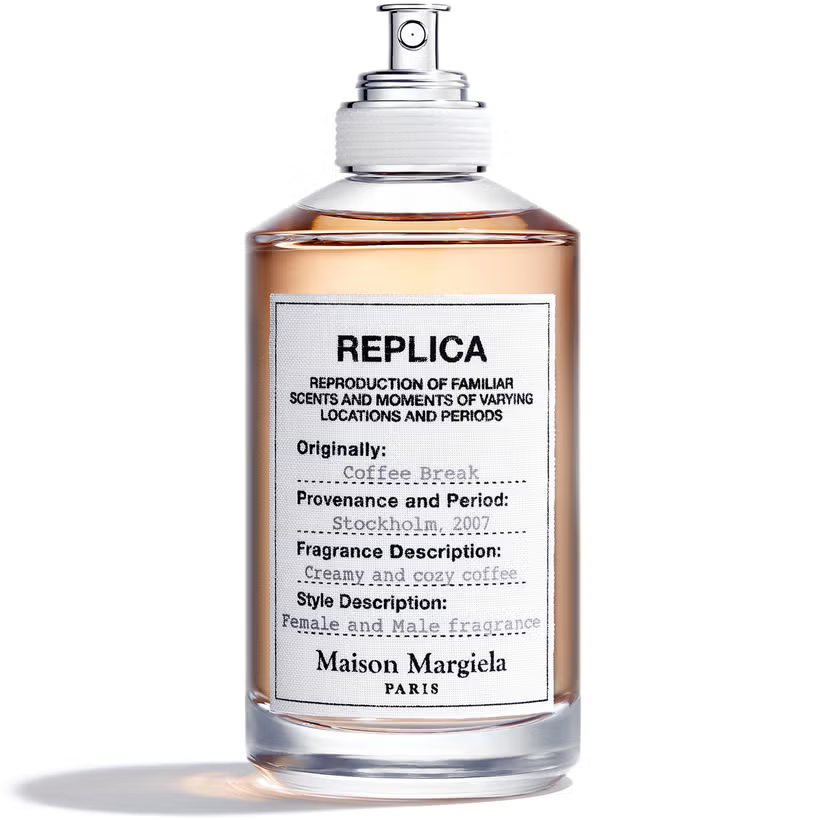
Sweet fragrances remain popular, but they’ve matured considerably. The saccharine vanillas and cotton-candy notes have given way to darker, moodier gourmands: bitter almond, burnt caramel, roasted coffee, and saffron. These are dessert-adjacent without being childish or cloying.
The best examples pair these gourmand notes with woods, resins, and spices, creating depth and complexity rather than sticky sweetness. Ignore anything described as “playful” or “fun.” Instead, seek spice-led gourmands where vanilla plays a supporting role. This is sophisticated indulgence.
Big Bottle Energy Is Out
In 2026, the loudest luxury flex isn’t a chunky designer bottle or chrome-plated heft. Discretion, sustainability, and refined taste are the new markers of true refinement. Status now comes from story and scarcity, not size or branding.
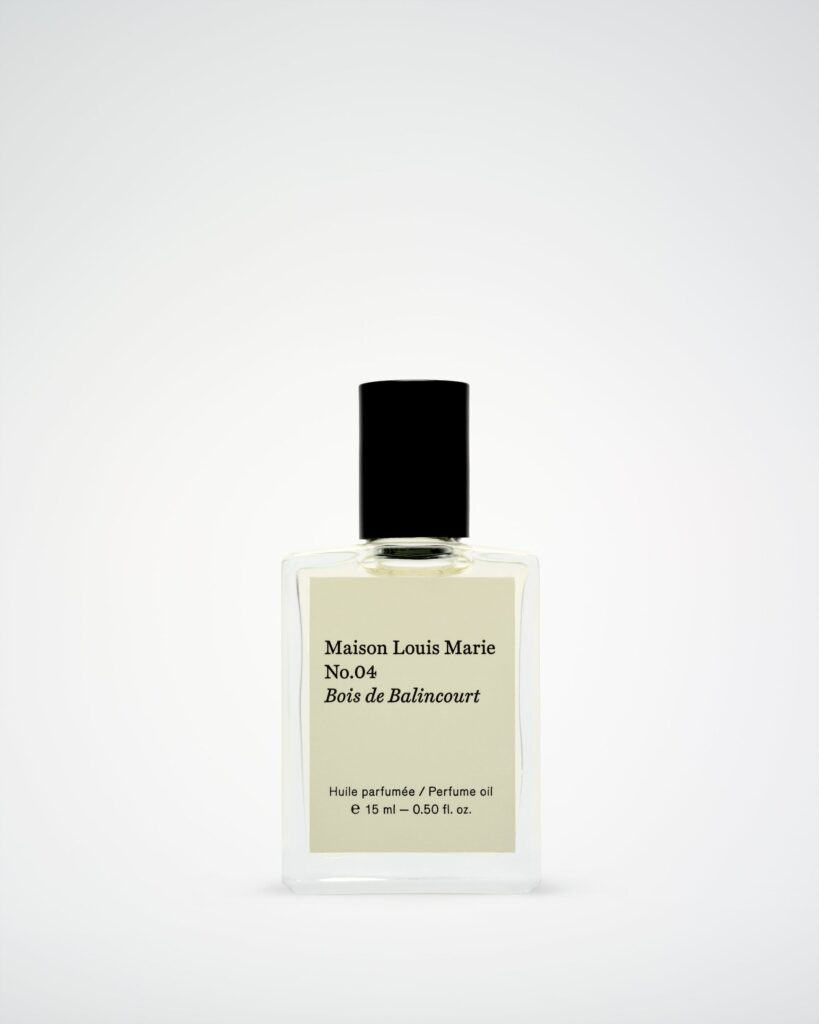
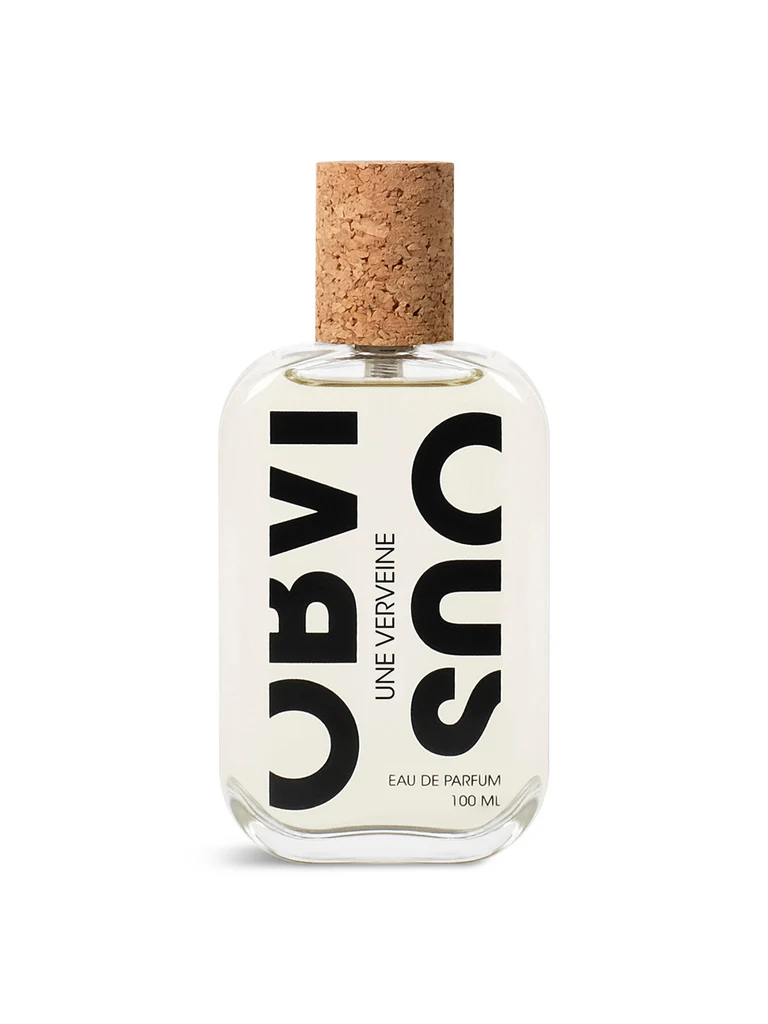
The premium fragrance flex is understated: minimalist design, refillable bottles, under-the-radar niche labels, and artisanal blends that resemble works of art. Skip the high street chrome and faux gold. Instead, seek clean typography, glass construction, and brands with genuine environmental credentials or refill stations. True luxury whispers.
One To Avoid: Oud Overload
Once the mysterious darling of niche perfumery, oud has officially reached saturation point and turned stale. What was exotic and intriguing is now overdone, synthetic-smelling, and lazily inserted into mass-market launches. One “oud and leather” combination feels exactly like the last.
This doesn’t mean oud is permanently finished—but it desperately needs a reset. Unless deployed with subtlety and paired with something genuinely unexpected, oud is best left on the shelf in 2026. If a bottle promises “mystery” and “intensity” while wrapped in black and gold, proceed with caution. You’ve earned better.