The Legendary Cars from the 90s (That Still Turn Heads Today)
The 1990s represented something increasingly rare in today’s world a moment when automotive design embraced mechanical authenticity over digital convenience. It was an era where engineering philosophy prioritized the driver experience, where engines were crafted with intention, and where a car’s character wasn’t manufactured by algorithm but earned through years of development and racing heritage.
These machines didn’t just transport people; they told stories. And remarkably, three decades later, they still command attention and admiration in ways that feel entirely relevant to our contemporary moment.
Lamborghini Diablo
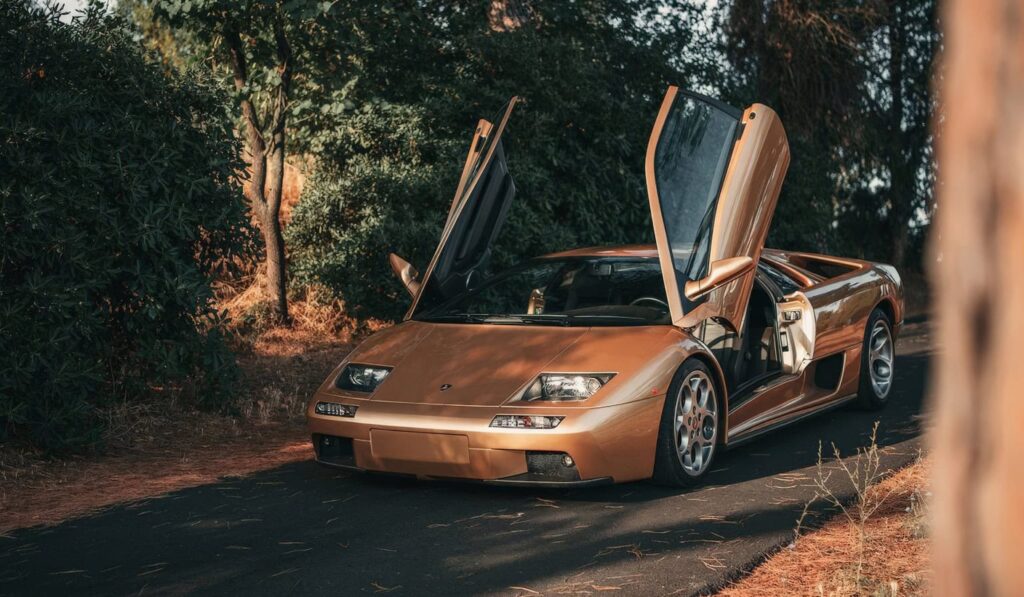
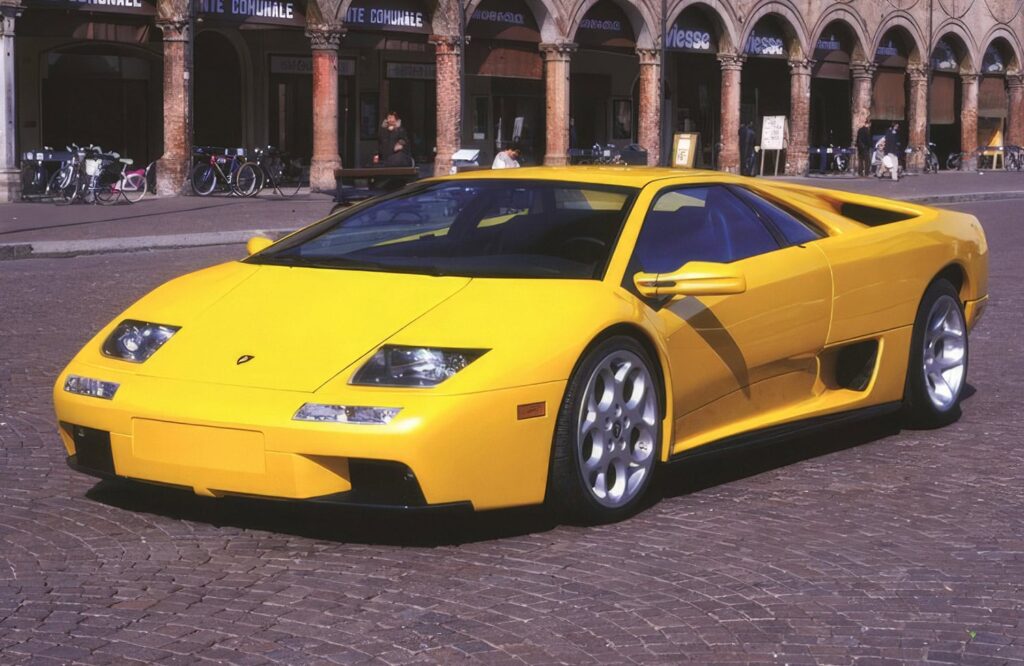
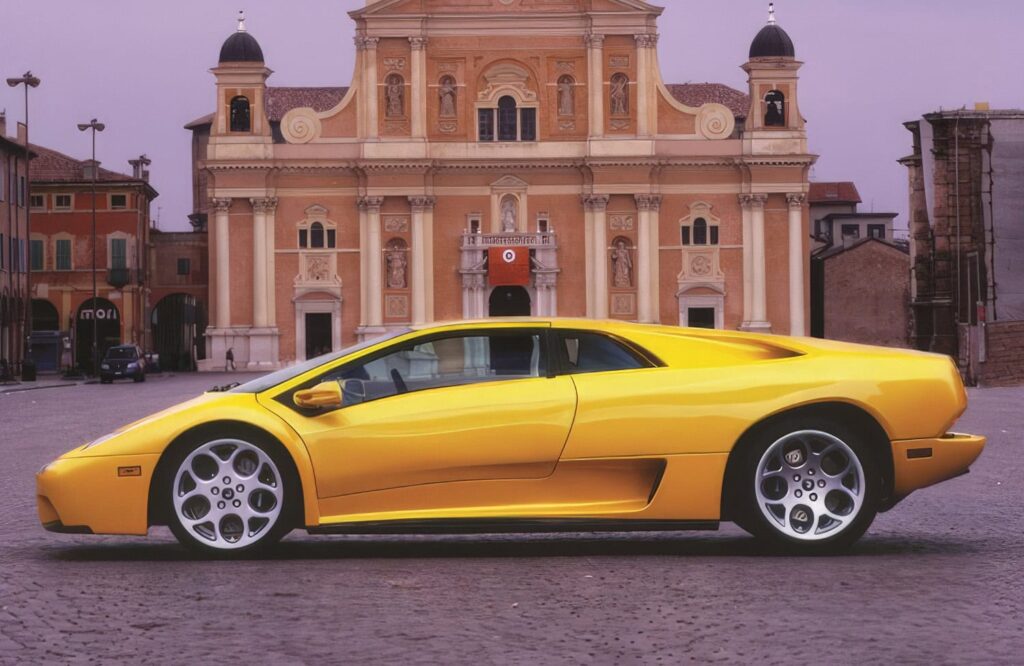
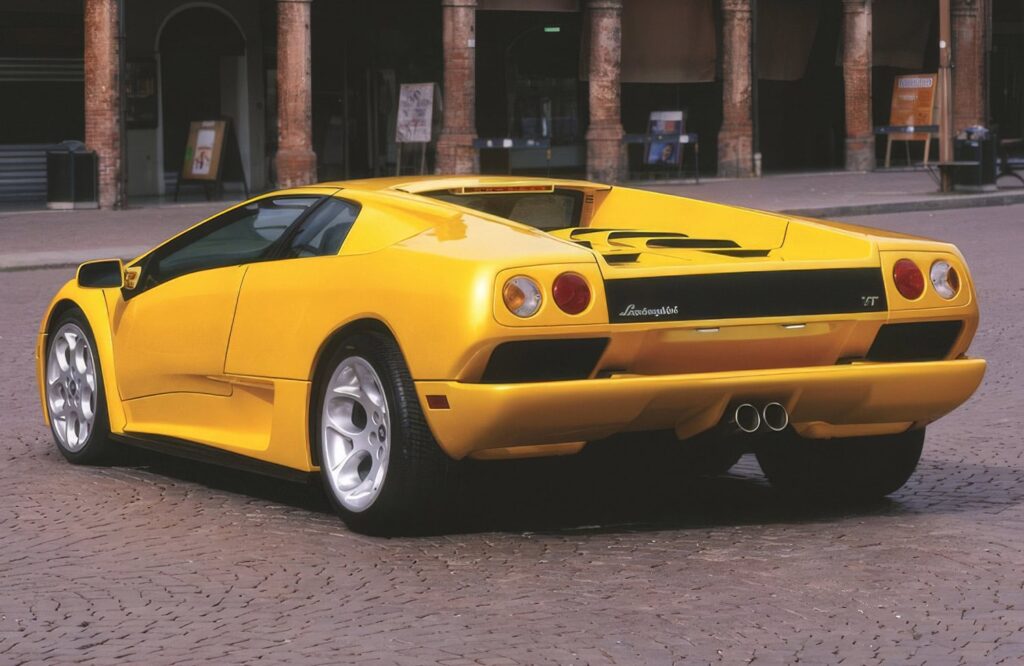
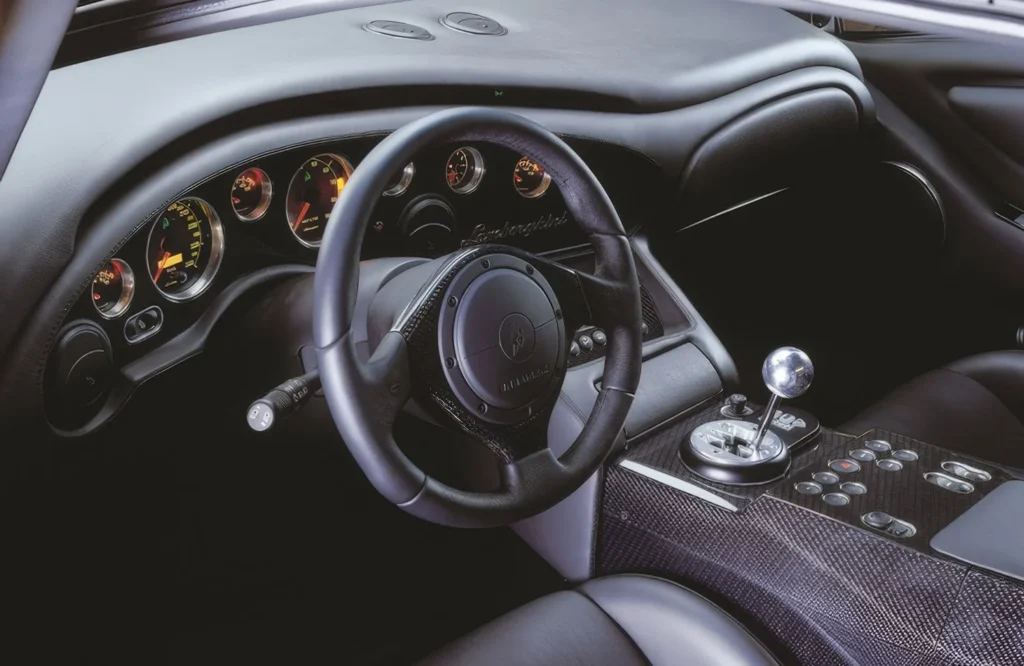
Few supercars have undergone such a compelling evolution as the Lamborghini Diablo. Arriving during turbulent corporate ownership changes—moving through Chrysler’s stewardship before finding stability under Audi’s technical direction—the Diablo became something unexpected: a car that actually improved with each iteration.
The final generation, particularly the all-wheel-drive GT variant, represents perhaps the purest expression of what a 1990s supercar should be. Its 6.0-liter V12 delivered visceral performance, while Audi’s engineering influence brought measurable refinement to handling and transmission response. Giorgetto Giugiaro’s original design was updated with purposeful restraint—modernized wheels and sharper details that felt contemporary without losing the car’s essential character.
BMW M5 (E39)
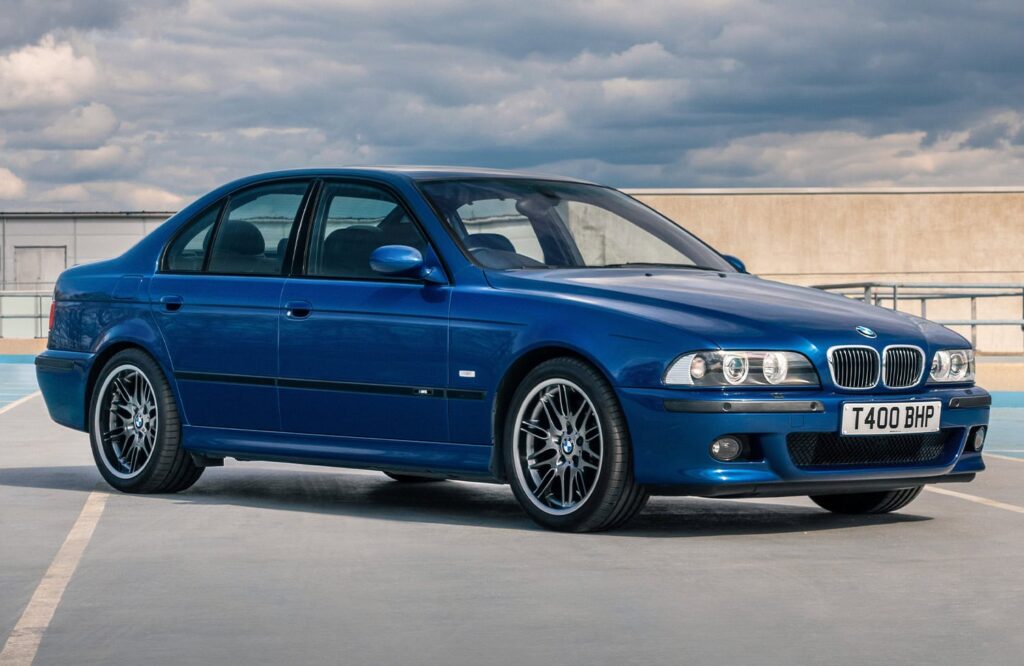
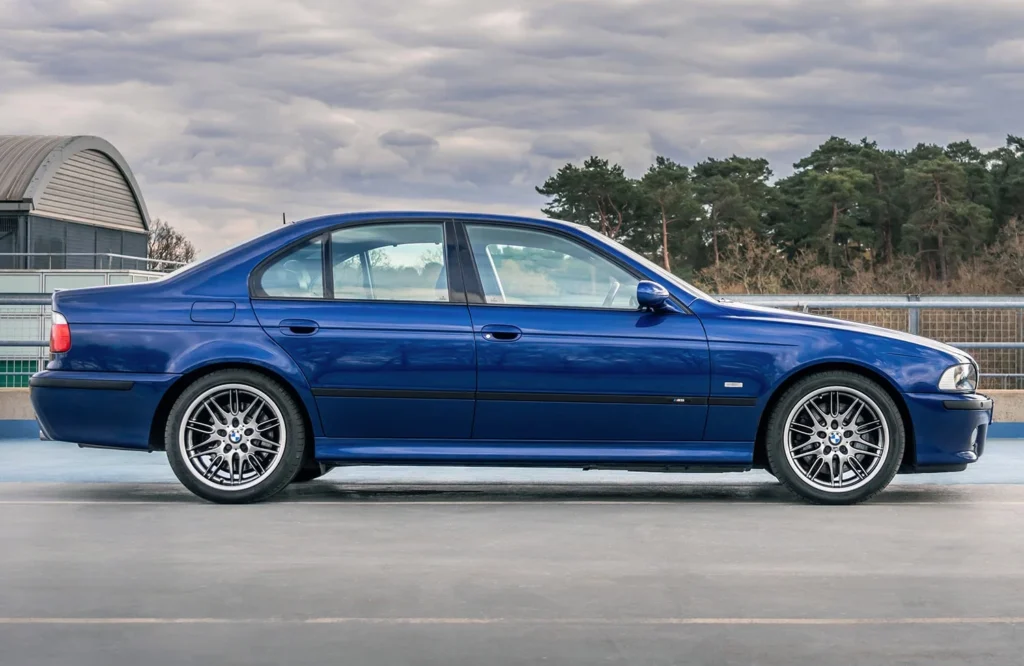
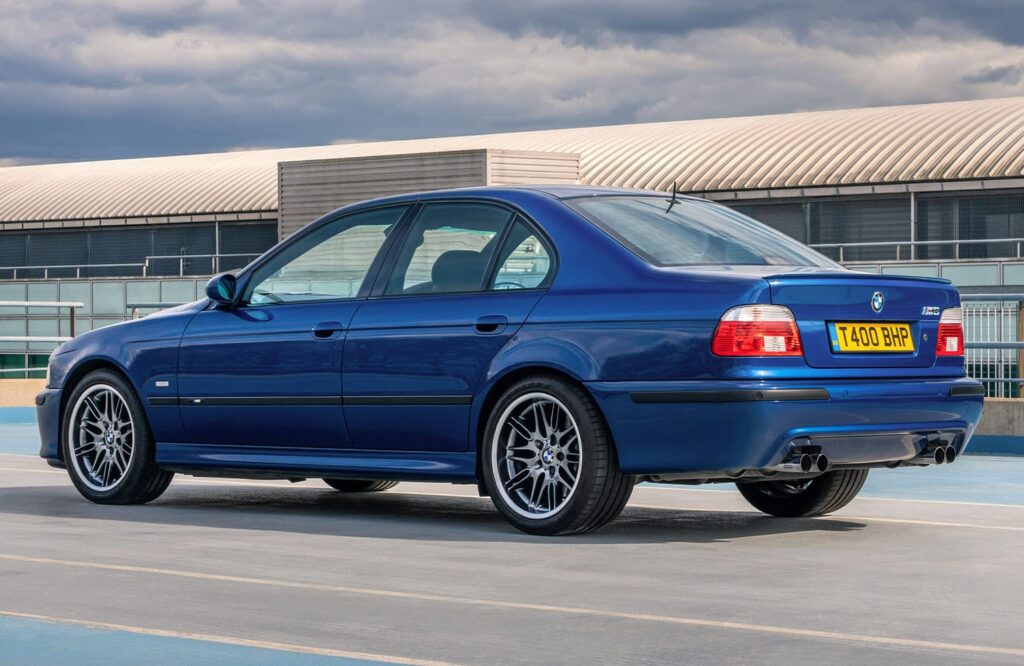
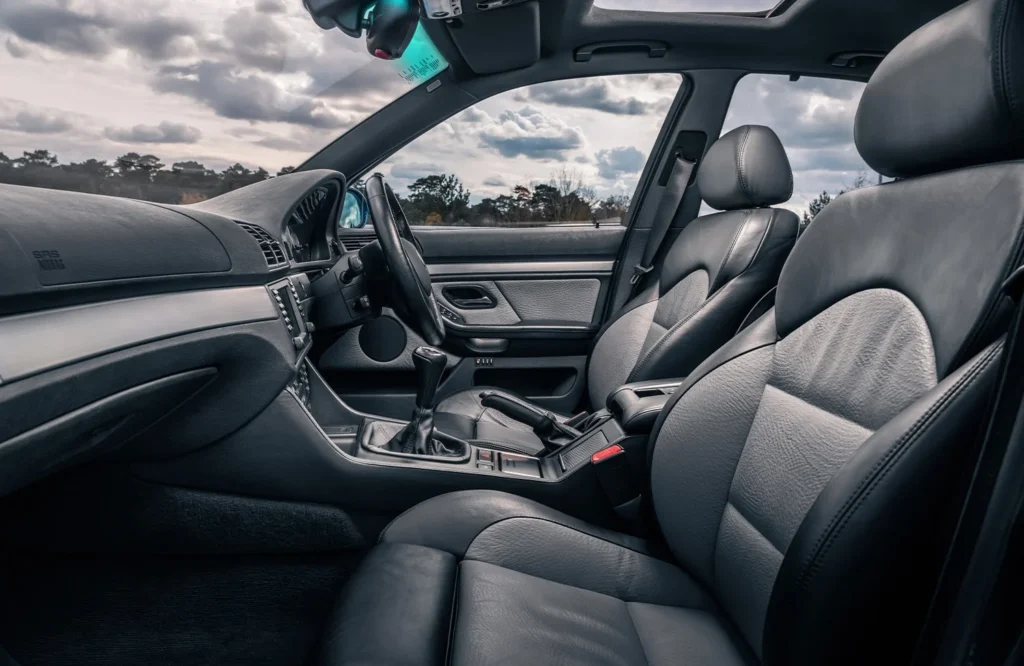
Ask serious enthusiasts about BMW’s finest moment, and the E39 generation M5 emerges as the definitive answer. It perfected the concept of a discreetly powerful sedan through unwavering mechanical engagement—only a six-speed manual transmission was offered, no automatic compromise. The 4.9-liter V8 was engineering poetry: composed at low throttle, utterly alive when pushed toward its redline with genuine theatre and responsiveness.
The genius was its restraint—an untrained eye would barely distinguish it from a standard 5 Series. Only quad exhausts and subtle modifications hinted at the performance underneath. This philosophy of letting capability speak rather than announce itself remains one of the most compelling reasons the E39 M5 commands such dedicated reverence today.
Honda NSX Type R
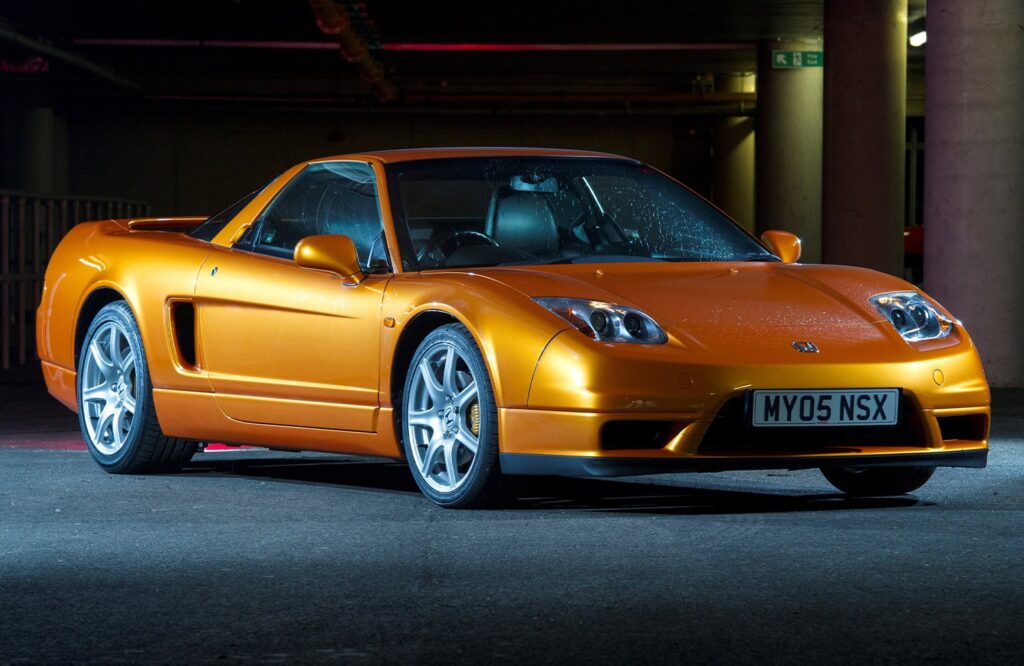
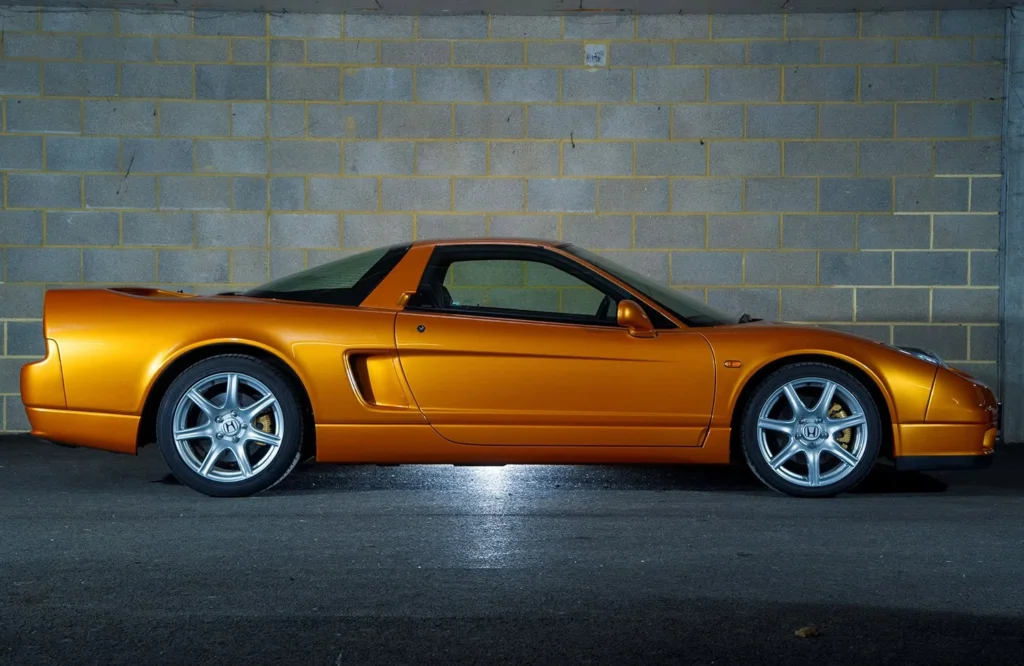
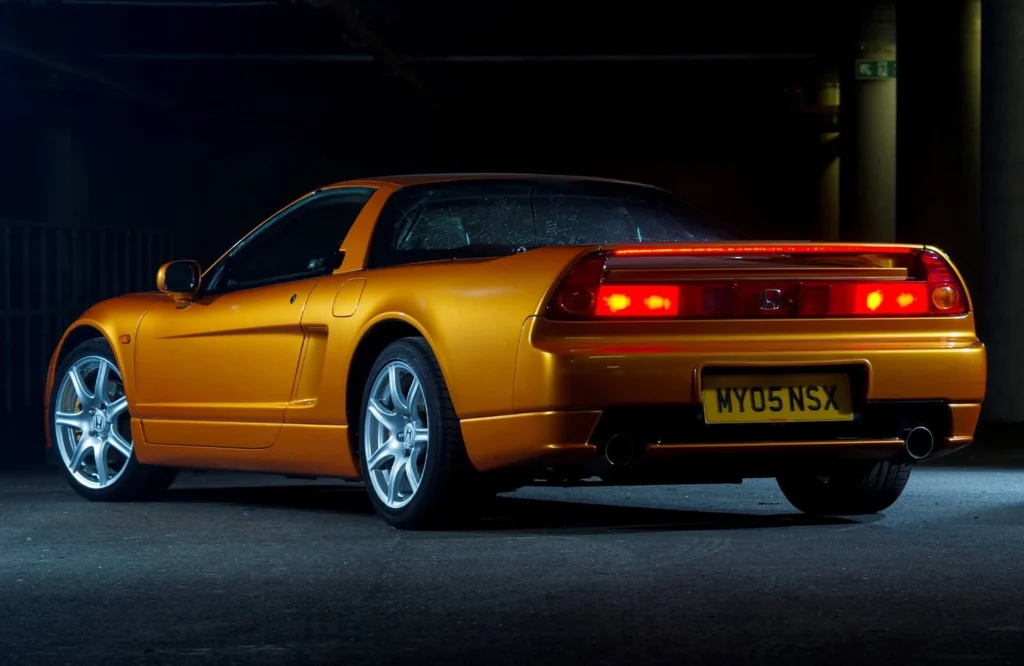
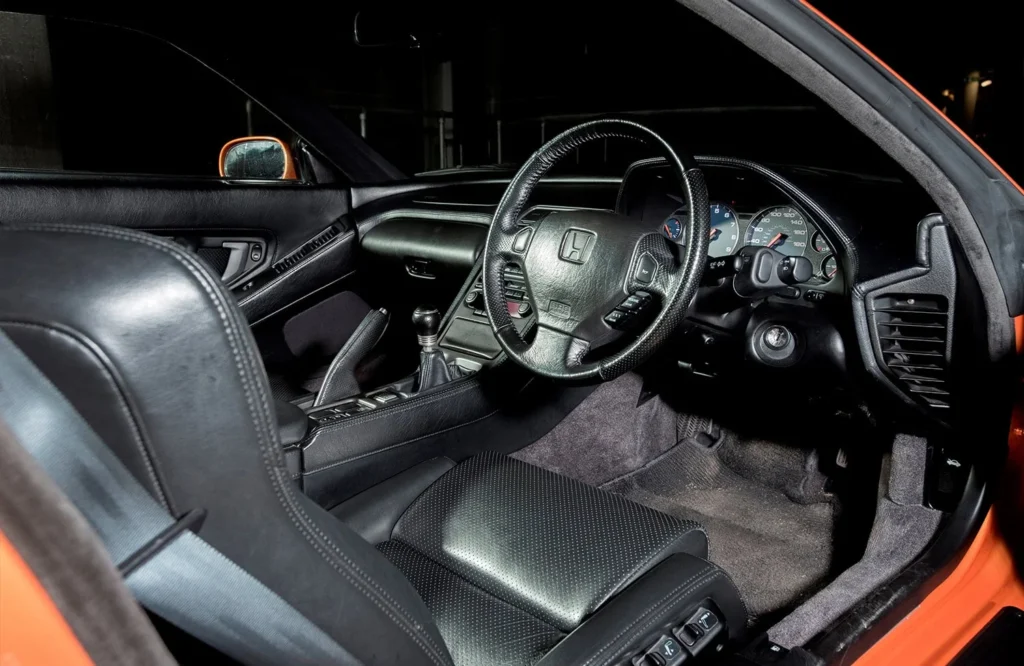
When the NSX first arrived in European markets, critics complained it lacked the drama expected from a supercar. Yet thirty years later, the market has completely reversed—the Type R now commands prices exceeding many exotic Italian cars it originally competed against. This transformation reflects a fundamental shift in how enthusiasts evaluate what actually matters: engineering brilliance over theatrical excess.
The 3.2-liter naturally aspirated V6 embodied Honda’s engineering philosophy at its peak. Without turbocharger assistance or supercharger complexity, it achieved extraordinary responsiveness through meticulous variable valve timing. Pair this Jekyll-and-Hyde engine with one of the finest manual transmissions ever built, and you get perhaps the most perfectly balanced driver’s car of its decade. Spotting one at a supercar gathering today feels significant—it validates what true enthusiasts already know.
Aston Martin DB7
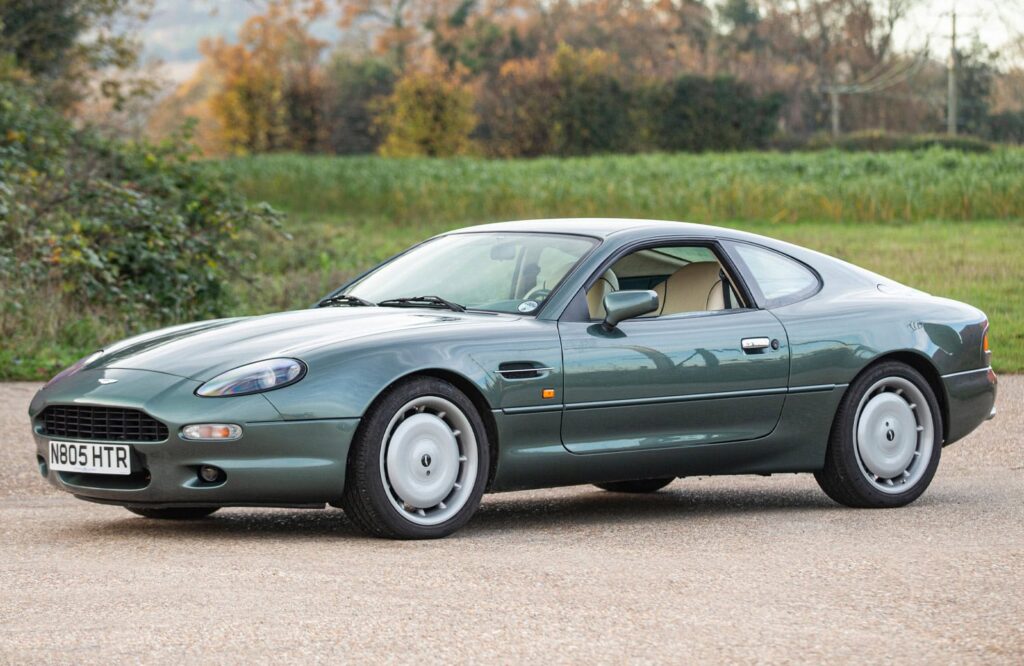
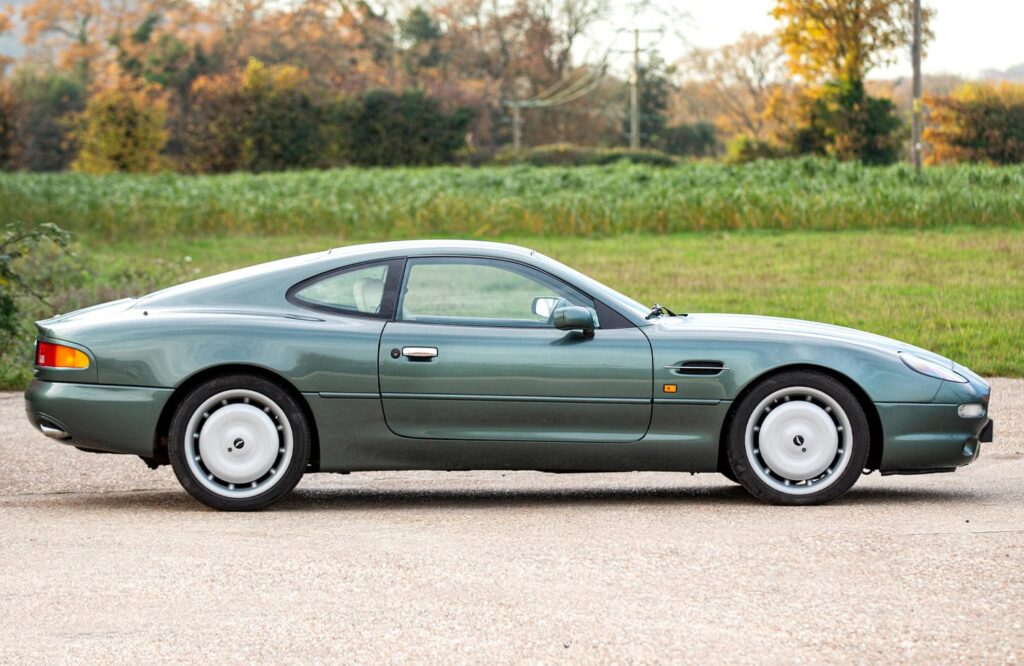
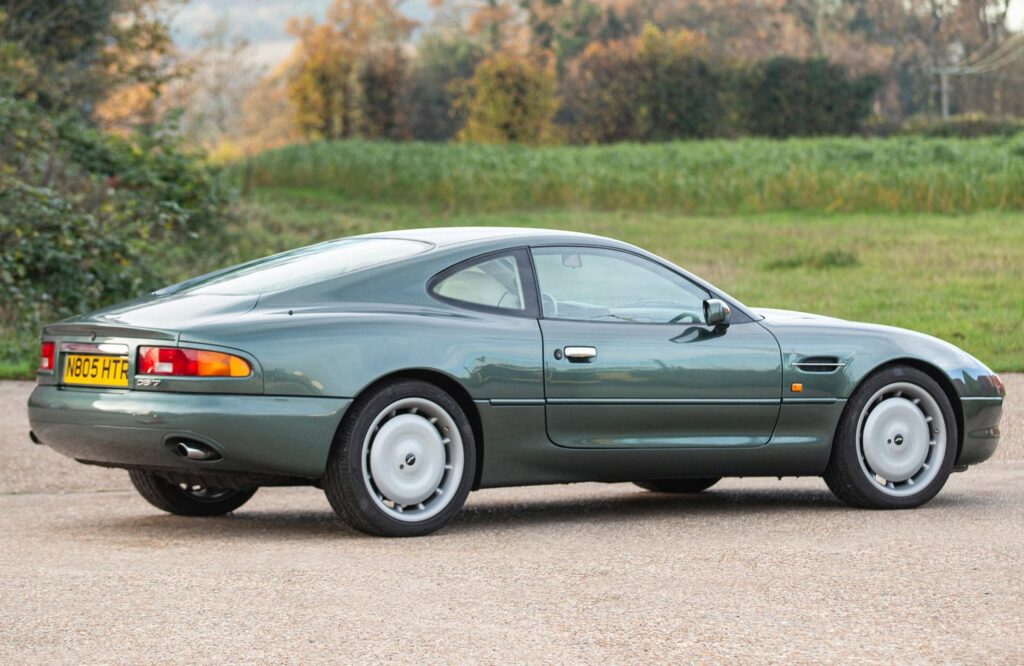
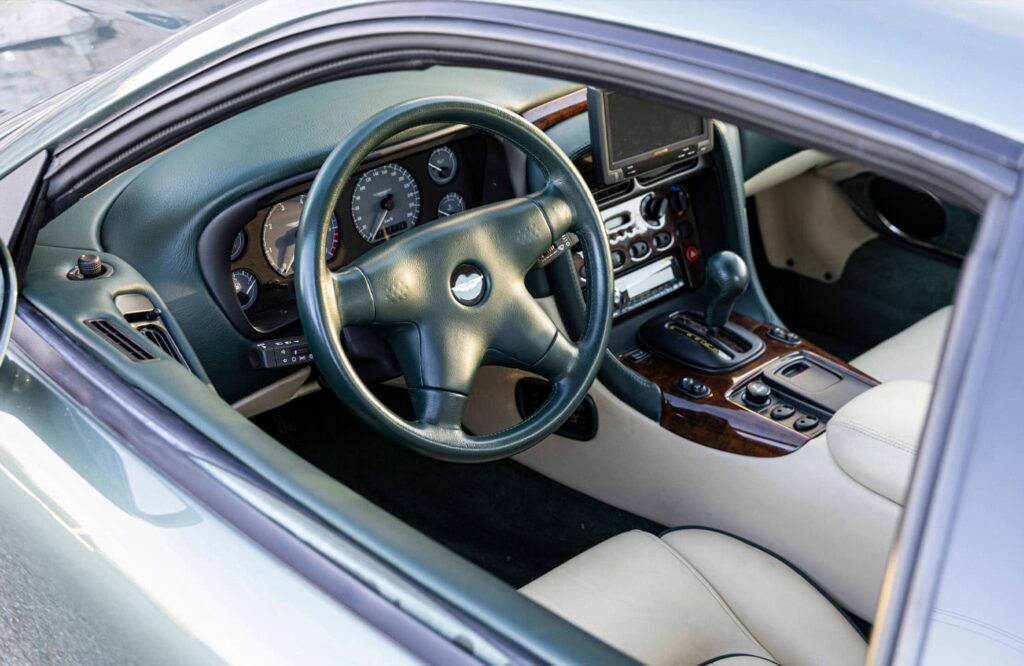
The original Aston Martin DB7 represented something important—a genuinely beautiful British sports car at an approachable price. More significantly, it established the visual language that continues defining Aston Martin’s identity today. The earliest models, powered by a modest straight-six engine, remain the purest interpretation of the design vision, arriving tastefully specified.
DB7 owners weren’t seeking to advertise their success but rather to experience the particular pleasure of piloting a beautiful machine with effortless grace. The slatted grilles and turbine-style wheels feel authentically of their moment, yet possess a timelessness that extends far beyond period nostalgia. That philosophy—prioritizing the experience over the status signal—never becomes dated.
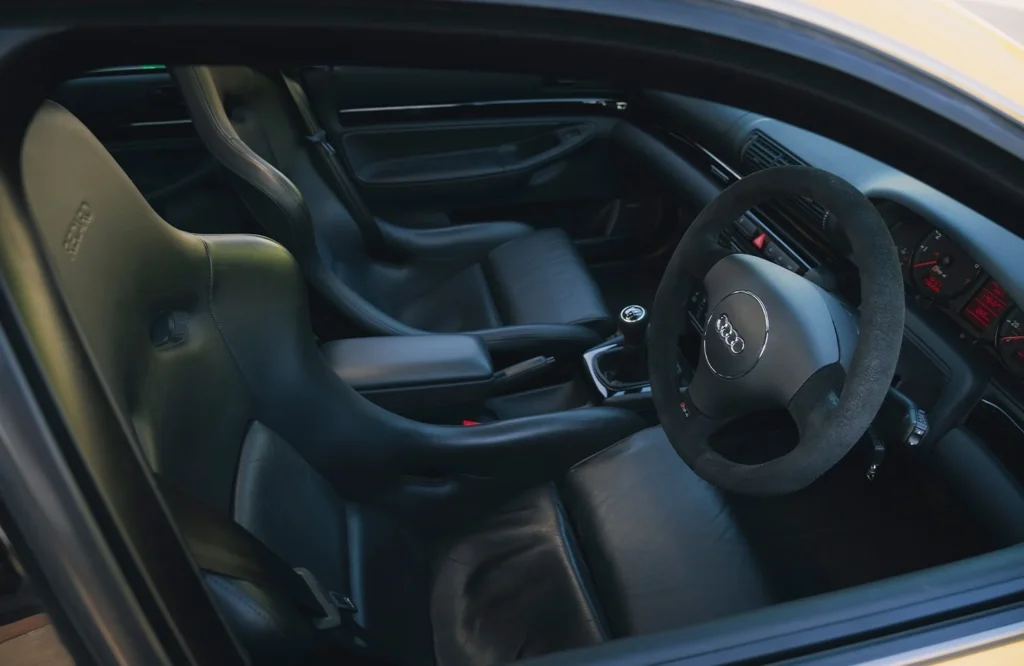
Audi RS4 Avant
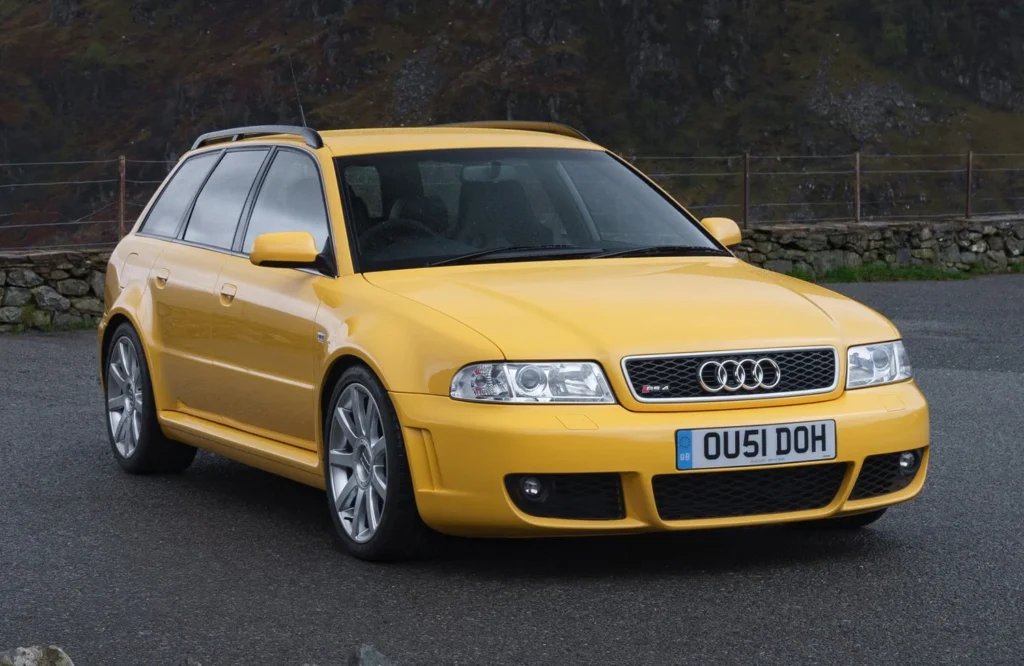
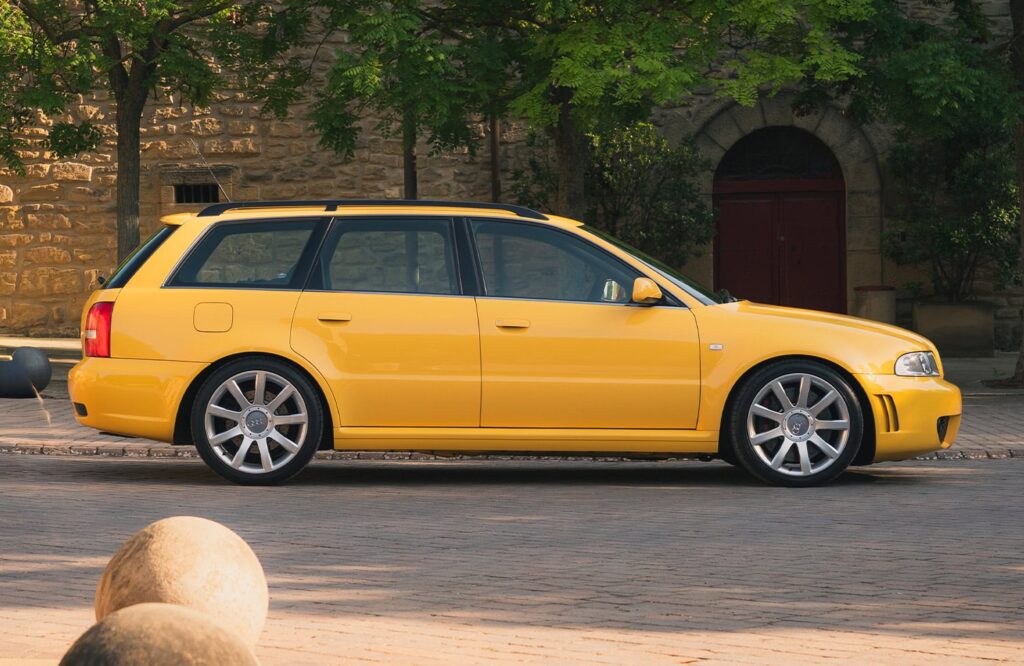
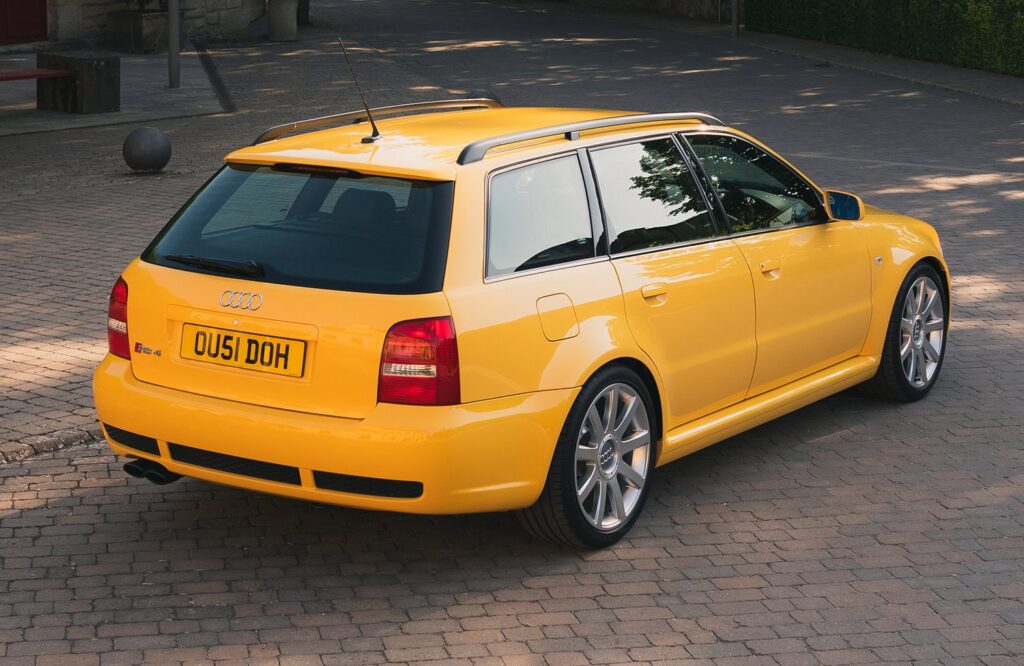
The 1990s Audi RS4 Avant arrived at a moment when the concept of a truly fast estate car seemed almost inconceivable. While Audi had pioneered the category, the RS4 represented genuine engineering ambition—nearly every exterior panel was uniquely engineered to accommodate its performance envelope. At its heart sat a 2.7-liter V6 developed with Cosworth, the legendary engineering firm whose expertise now shapes modern hypercars.
Finding an unmolested example today has become increasingly difficult. The RS4 Avant attracted the attention of tuning specialists, which has inadvertently made well-preserved stock versions more valuable and meaningful. Drive one in original specification and you’ll understand exactly why it maintains such enthusiastic appreciation—genuine performance wrapped in everyday practicality, engineered with meticulous precision.
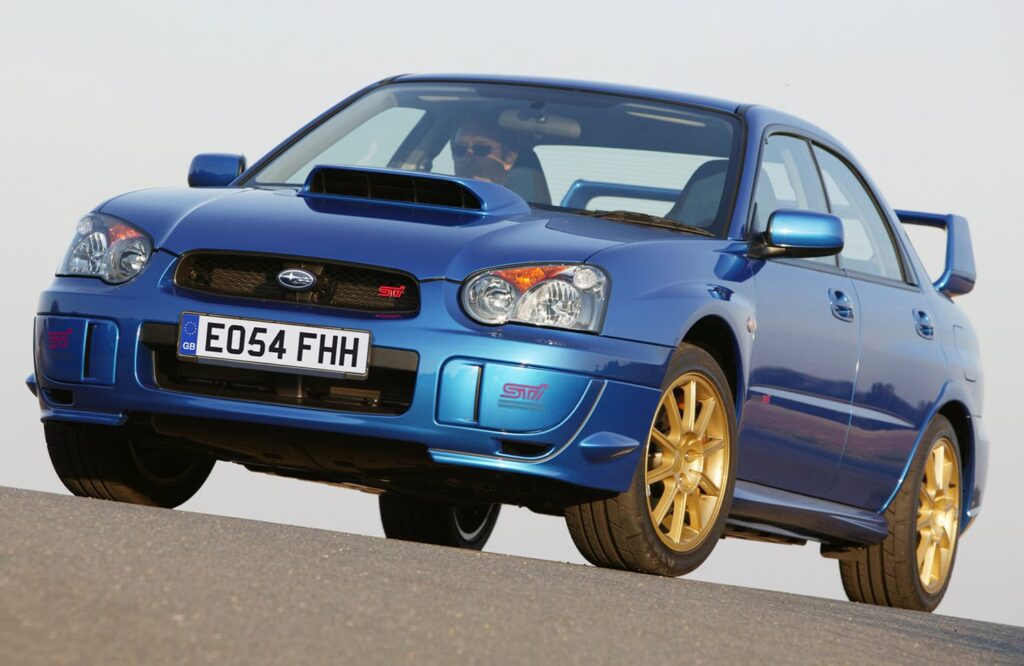
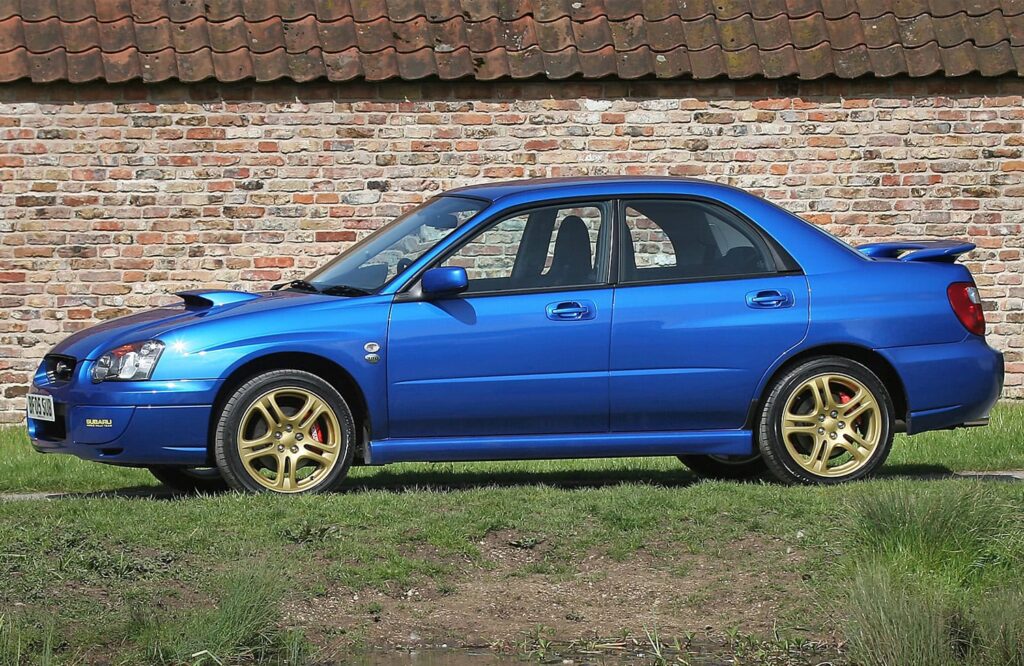
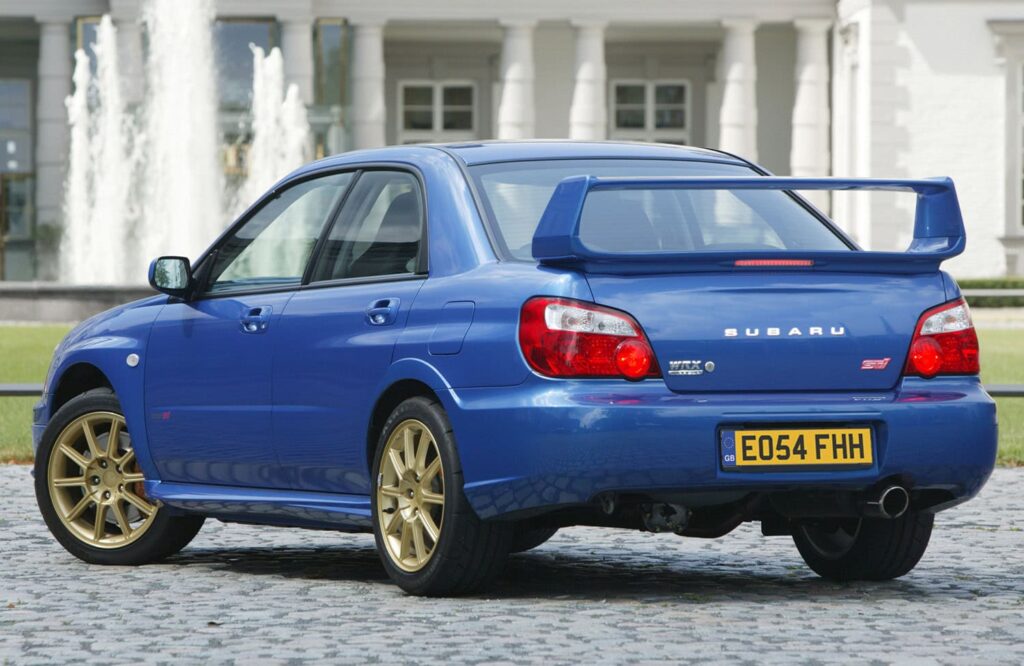
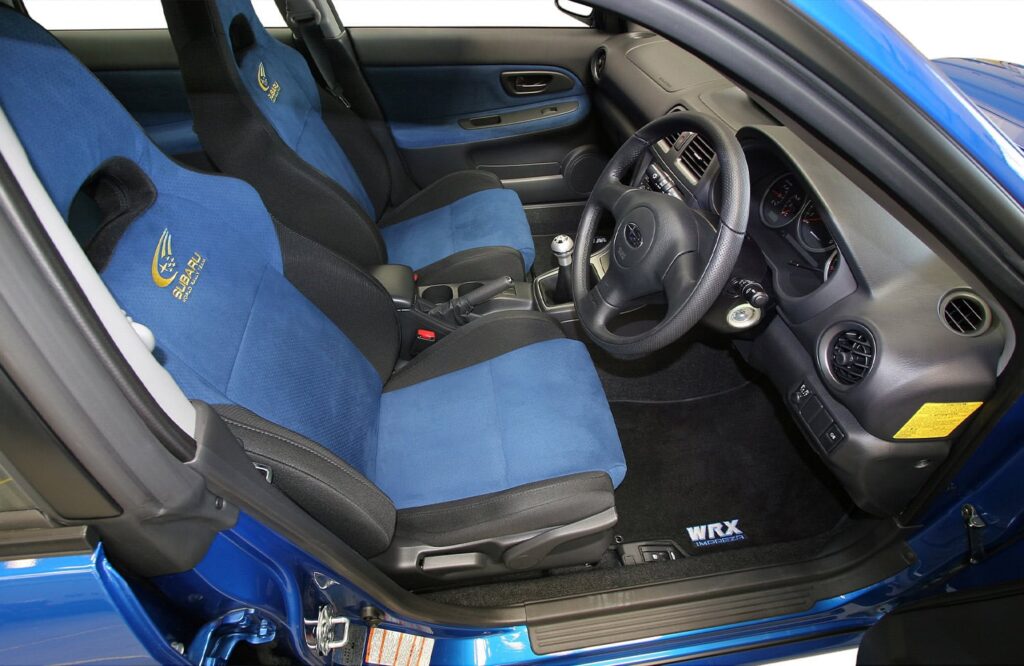
Subaru Impreza WRX STI
Few vehicles captured the pure spirit of 1990s automotive culture quite like the Subaru Impreza Turbo. Its rally championship pedigree, reinforced by that iconic blue-and-gold livery, made it a defining car for an entire generation. The formula was straightforward: compact dimensions, exceptional grip through all-wheel-drive, and a charismatic turbocharged flat-four that delivered real-world performance without pretense.
Today, owning a factory-specification STI represents something increasingly valuable authenticity in an automotive landscape dominated by silent electric vehicles and towering SUVs. The flat-four’s mechanical sound, the all-wheel-drive engagement, the honest boy-racer energy these refuse to compromise character for universal appeal. Unlike those who wear retro aesthetics as seasonal fashion, STI owners actually inhabit the culture that created these cars.